Health & Fitness
Archbishop Chaput: Justice, Prudence and Immigration Reform
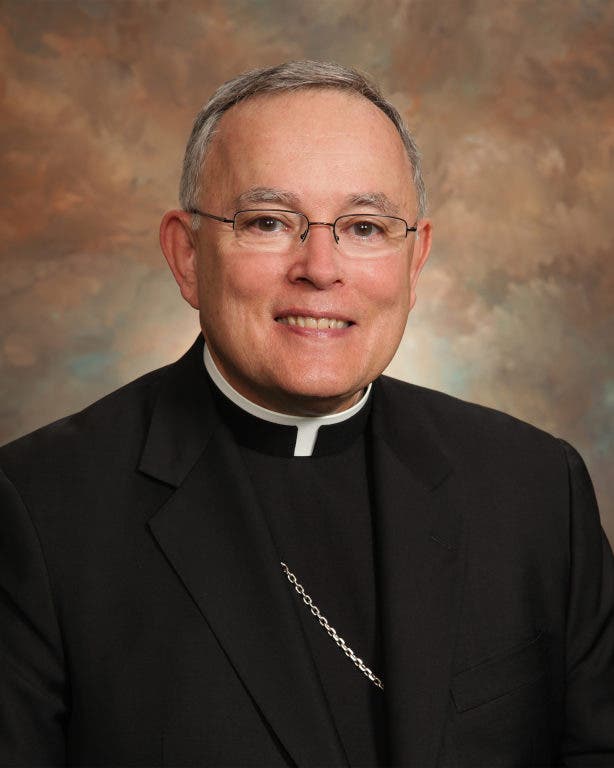
Archbishop Charles J. Chaput, O.F.M. Cap. weekly column, "Justice, Prudence and Immigration Reform."

The Catholic commitment to the dignity of the immigrant comes from exactly the same roots as our commitment to the dignity of the unborn child. Any Catholic who truly understands his or her faith knows that the right to life precedes and creates the foundation for every other human right. There’s no getting around the priority of that fundamental right to life. But being “prolife” also means that we need to make laws and social policies that will care for those people already born that no one else will defend.
Around the United States today, we employ a permanent underclass of human beings who build our roads, pick our fruit, clean our hotel rooms, and landscape our lawns. Most of these men and women, like millions of immigrants before them, abide by our laws and simply want a better life for their families. Many have children who are American citizens, or who have been in America so long that they don’t know any other homeland. But they live in a legal limbo. They’re important to our economy, but they have inadequate legal protections, and in recent years many families have been separated by arrests and deportations.
We need to remember that how we treat the weak, the infirm, the elderly, the unborn child and the foreigner reflects on our own humanity. We become what we do, for good or for evil. The Catholic Church respects the law, including immigration law. We respect those men and women who have the difficult job of enforcing it. We do not encourage or help anyone to break the law. We believe Americans have a right to solvent public institutions, secure borders and orderly regulation of immigration.
Find out what's happening in Roxborough-Manayunkwith free, real-time updates from Patch.
At the same time, we can’t ignore people in need, and we shouldn't be silent about laws that don’t work — or that, in their “working,” create impossible contradictions and suffering. Despite all of the heated public argument over the past decade, Americans still find themselves stuck with an immigration system that adequately serves no one. We urgently need the kind of immigration reform that will address our economic and security needs, but will also regularize the status of the many decent undocumented immigrants who help our society to grow. Congress and the president, despite their serious differences, do have an opportunity in the coming months to act justly to solve this problem. Legislation could begin moving in congress as early as this spring.
The bishops of the United States have suggested at least five key elements needed for any serious reform: (1) a path to citizenship for the undocumented; (2) the preservation and enhancement of family unity, based on the union of a husband and wife and their children; (3) the creation of legal channels for unskilled laborers to enter and work legally in this country; (4) due process rights for immigrants; and (5) constructive attention to the root causes of migration, such as economic hardship, political repression or religious persecution in the sending countries.
Find out what's happening in Roxborough-Manayunkwith free, real-time updates from Patch.
As many as 11 million undocumented persons now live and work in our nation. We can't refuse to see them. Catholics of good will can legitimately disagree on the best way to bring about immigration justice. In an age of terrorism and organized drug violence, public safety is a pressing and understandable concern. There are also pitfalls and unhelpful agendas in some elements of the immigration debate that need careful discussion. But again, we can't simply continue to posture and delay in dealing with an issue that impacts so many lives.
We become what we do, for good or for evil. If we act and speak like bigots, that’s what we become. If we act with justice, intelligence, common sense and mercy, then we become something quite different. We become the people and the nation God intended us to be. Our country’s chronic immigration crisis is a test of our humanity. Whether we pass that test is entirely up to us. That’s why the Catholic community needs to engage the issue of immigration reform as prudently and unselfishly as possible – not tomorrow or next week, but now. The future of our country depends on it.
The U.S. bishops' “Justice for Immigrants” campaign can be accessed at www.justiceforimmigrants.org